Merch Is Not Marketing. It’s Brand Extension.
There’s a familiar point in almost every merch conversation when the thinking gets very small.
- What can we put the logo on?
- What can arrive before the event?
- How many can we get for the budget?
These are practical questions. They’re also how brands end up with 500 objects nobody particularly wanted.
Because merch is not simply marketing with sleeves, straps or a charging cable attached. Done well, it plays a much bigger role: it extends the brand into the physical world.
That distinction matters.
Marketing communicates what a brand believes. Brand extension turns that belief into something people can experience, use and, if you’ve done your job, choose to keep.
A campaign may tell people you are inventive. A genuinely inventive product proves it. A brand film can talk about quality. The object someone carries every day has to deliver it. You can put “community” in a headline, but a piece designed with real cultural fluency lets someone feel part of that community without saying a word.
Merch is where the brand has to stop describing itself and become something.
A logo is an identifier. It is not an idea.
Somewhere along the way, “branded merchandise” became shorthand for “existing object, now featuring logo.”
That’s decoration. Sometimes useful decoration. But it isn’t necessarily brand building.
A brand is more than its visual identity. It has a sense of humor, a standard of quality, a relationship with culture and a particular way of moving through the world. If none of that survives the journey onto the product, the result may be branded, but it isn’t very brand.
The better question is not, “Where should the logo go?”
It’s: “What would this object be if only our brand could have made it?”
That question changes everything.
It shifts the conversation from product category to point of view. From filling a box to creating a reaction. From picking things to making choices.
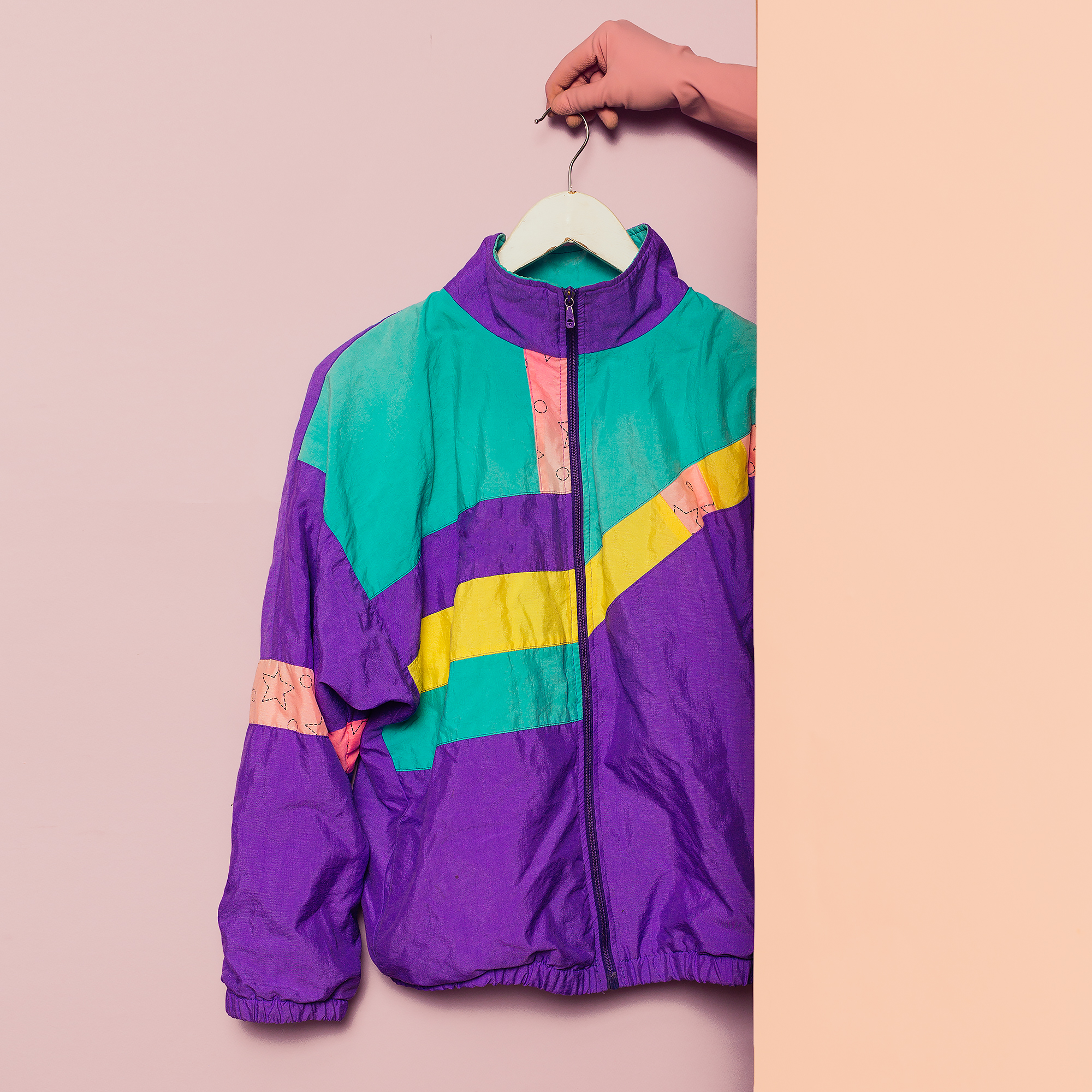
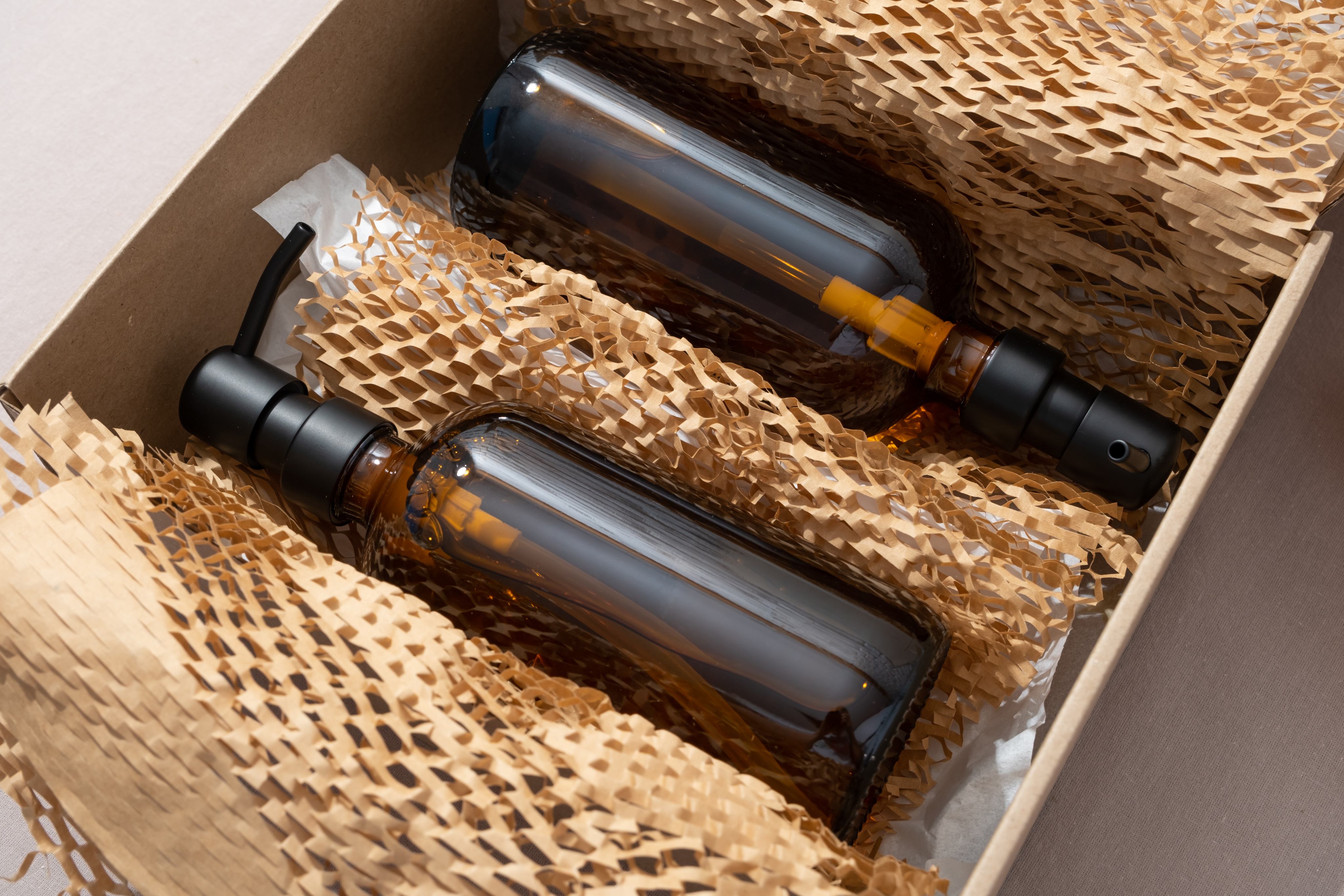
Maybe the branding becomes quieter because the material says more. Maybe the packaging carries the joke. Maybe the entire idea is built around an oddly specific ritual your audience instantly recognizes. Maybe the product solves a small problem so perfectly that the logo barely needs to introduce itself.
The logo still has a job. It just doesn’t have to do everyone else’s.
Marketing asks for attention. Great merch earns adoption.
Most marketing is encountered on the brand’s terms. It appears in the feed, the inbox, the pre-roll or the perfectly timed rectangle following you around the internet.
A physical product has to survive on the recipient’s terms.
-
Will they wear it?
-
Carry it?
-
Put it on their desk?
-
Pack it for a trip?
-
Reach for it again next Tuesday?
That makes merch an unusually honest brand medium. People can scroll past a message or forget an ad. An object has to earn its place in real life.
And “free” does not lower the standard. If anything, it raises it. Nobody feels obligated to build a lasting relationship with a giveaway.
When someone chooses to keep a branded object, something important has happened. The brand has moved from communication into behavior. It has become part of a routine, an identity, an environment or a story.
“That is more than an impression. It is adoption.”
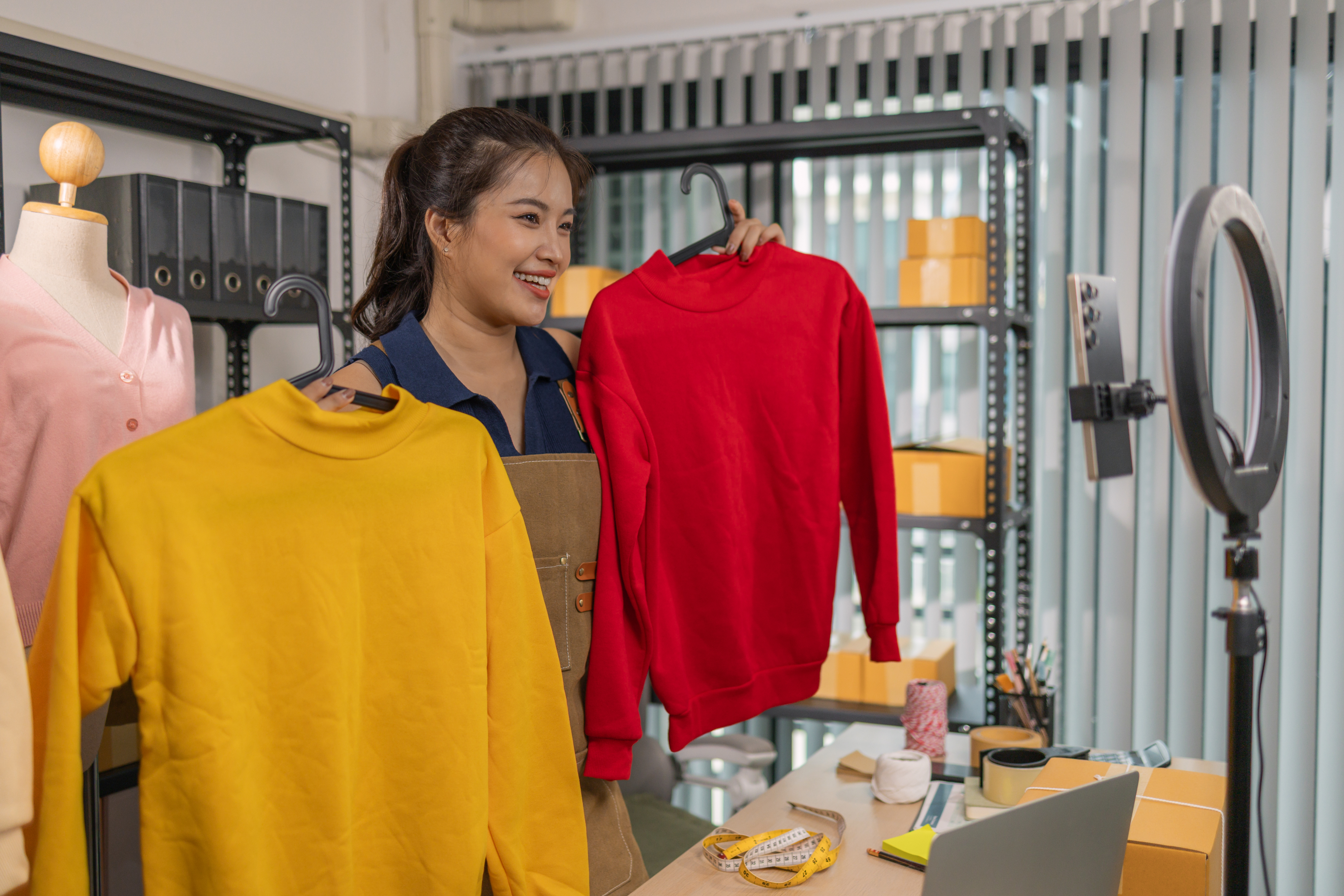
Every object makes a claim about the brand.
A flimsy product says something, even if the copy says the opposite.
So does a forgettable one. So does the item selected because it was easy, familiar or available in 48 colors. So does the “sustainable” gift wrapped in layers of unnecessary packaging.
Objects are not neutral. Their materials, usefulness, originality and lifespan all communicate.
This is why merch should be held to the same standard as any other major brand touchpoint. You would not launch a website that felt vaguely related to your company. You would not design a flagship space by choosing whatever furniture happened to be on page four of a catalog. You would not let a random assortment of stock photography define your visual identity.
Yet brands routinely allow physical products, the things people actually touch, to be governed by convenience alone.
That is a missed opportunity at best. At worst, it creates a tiny contradiction someone can hold in their hand.
The strongest merch closes the gap between what a brand says and what it does. It becomes physical evidence of the brand promise.
Think in systems, not stuff.
Brand extension also changes the shape of the program.
Instead of a series of unrelated requests, shirts for this event, bottles for that team, a holiday gift we should have started six weeks ago, merch becomes a connected system.
There can be a recognizable design language. A point of view on materials. A rhythm of core pieces and limited drops. Different expressions for employees, clients, communities and cultural moments, all clearly belonging to the same world.
This does not mean everything needs to match. Please, no matching for matching’s sake.
It means the decisions relate to one another.
.png)
.png)
.png)
A good system creates room for surprise without losing the plot. It makes it possible to be playful, timely and experimental while still feeling unmistakably like the brand. It also replaces the annual panic-buy with something far more powerful: continuity.
Over time, individual products begin to accumulate meaning. A recurring piece becomes a ritual. A limited edition becomes a marker of participation. An internal object becomes part of company folklore. A collection starts to feel less like inventory and more like culture.
That is when merch gets interesting.
The future of branding is increasingly physical.
As more of brand life becomes automated, optimized and generated at speed, physical experiences gain a different kind of value.
It cannot be refreshed with a click once it is in someone’s hands. That permanence demands care, but it also creates trust. A thoughtfully made product signals that someone made real decisions: about what deserved to exist, how it should feel and why a person might want it around.
This does not make every piece of merch profound. Sometimes a very good hat is allowed to be a very good hat.
But even the hat can carry the brand’s taste.
That is the larger opportunity. Not to turn every company into a lifestyle label, or every campaign into a product drop. It is to recognize that brands are no longer built through messages alone. They are built through the environments, tools, rituals and objects people invite into their lives.
Merch belongs in that conversation.
Don’t make more things. Make the brand more real.
The goal is not maximum product. It is maximum meaning.
Before making anything, ask:
-
Does this express something true about the brand?
-
Does it make sense in the recipient’s actual life?
-
Would it still be interesting without an oversized logo?
-
Does it deserve the materials, energy and space required to exist?
-
Could another brand have made the exact same thing?
If the answer to that last question is yes, the idea probably is not finished.
Because the best merch is not a souvenir of the marketing.
It is the brand, extended into the world, designed to live there.
Planning Merch for 2026? Start Here.
The best merch becomes part of the brand.
Our 2026 Merch Trends Forecast breaks down the cultural shifts, product ideas, and creative strategies shaping the next generation of branded experiences.
If you want merch people actually keep — this is your playbook.
.svg)

.png)
The Future of Branded Merch: 9 Trends Defining 2026
The best branded products don’t just create impressions — they create memory, conversation, and long-term brand connection.
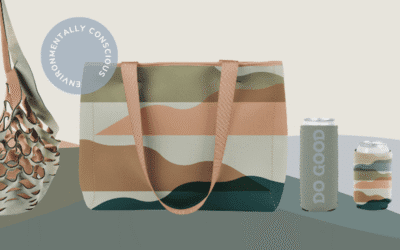
From Lowcountry Tides to Sustainable Materials: Introducing Oytex
From textured packaging to collectible kits, these are the trends brands are leaning into this year.
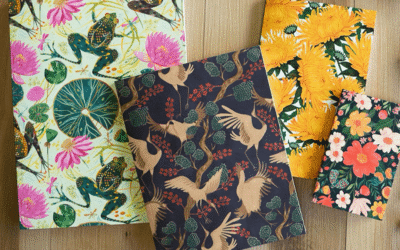
Denik: The Notebook That Does More Than Take Notes
A look at how exclusivity, storytelling, and timing helped this campaign outperform expectations.
latest articles